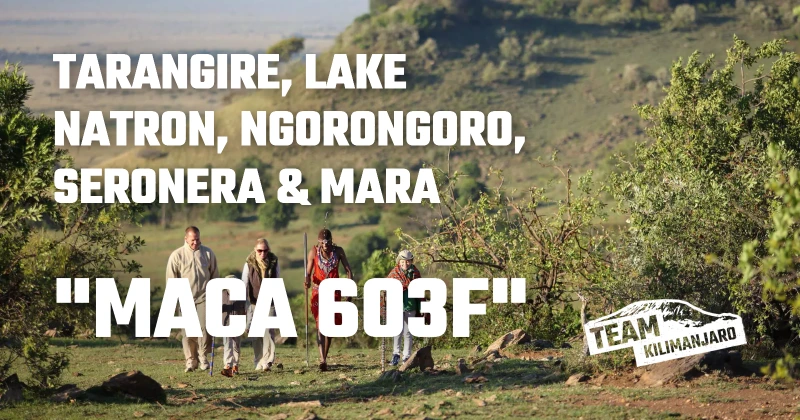
Tarangire, Lake Natron, Ngorongoro, Seronera & Mara with Flight
Day 1 / 25 July 2026: Lake Manyara National Park
Depart at approximately 0730 for Lake Manyara National Park, a compact but diverse park set beneath the Great Rift Valley escarpment. The park features groundwater forest, open grasslands, and a shallow soda lake that attracts a wide variety of birdlife.
Lake Manyara is well known for its tree-climbing lions, as well as elephant, giraffe, buffalo, and large troops of baboons.
Later in the day, transfer to Moivaro Tindiga Tented Camp for dinner and overnight.
Day 2 / 26 July 2026: Lake Natron
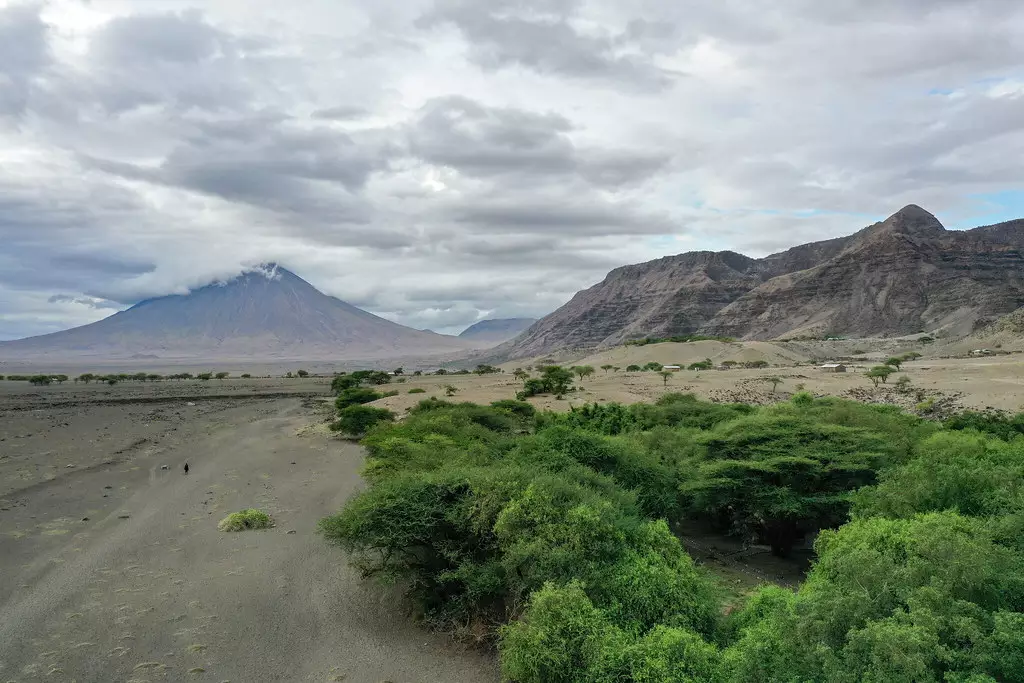
Today's journey leads into a stark, dramatic, and breathtakingly beautiful landscape. Lake Natron is a vast, red-tinged soda lake, the primary breeding ground for millions of lesser flamingos. The backdrop is dominated by the perfect cone of the active Ol Doinyo Lengai, the 'Mountain of God.' Visit a waterfall oasis in the Rift Valley wall and walk on the alien-like shores of the lake. This is a day for breathtaking geology, unique photography, and a sense of remote adventure far from the standard safari trail.
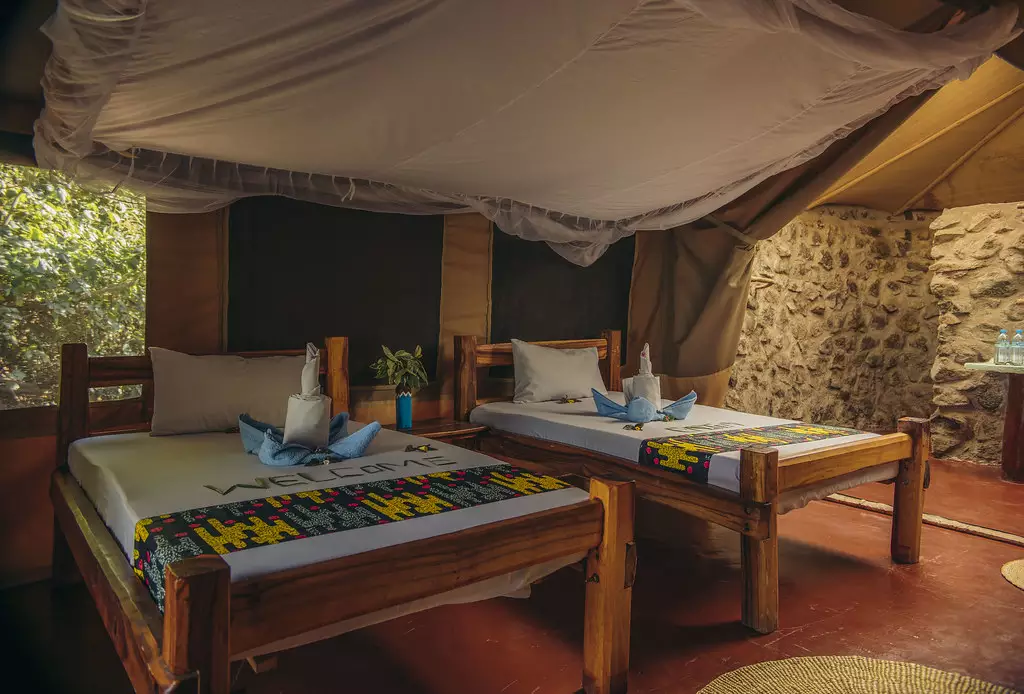
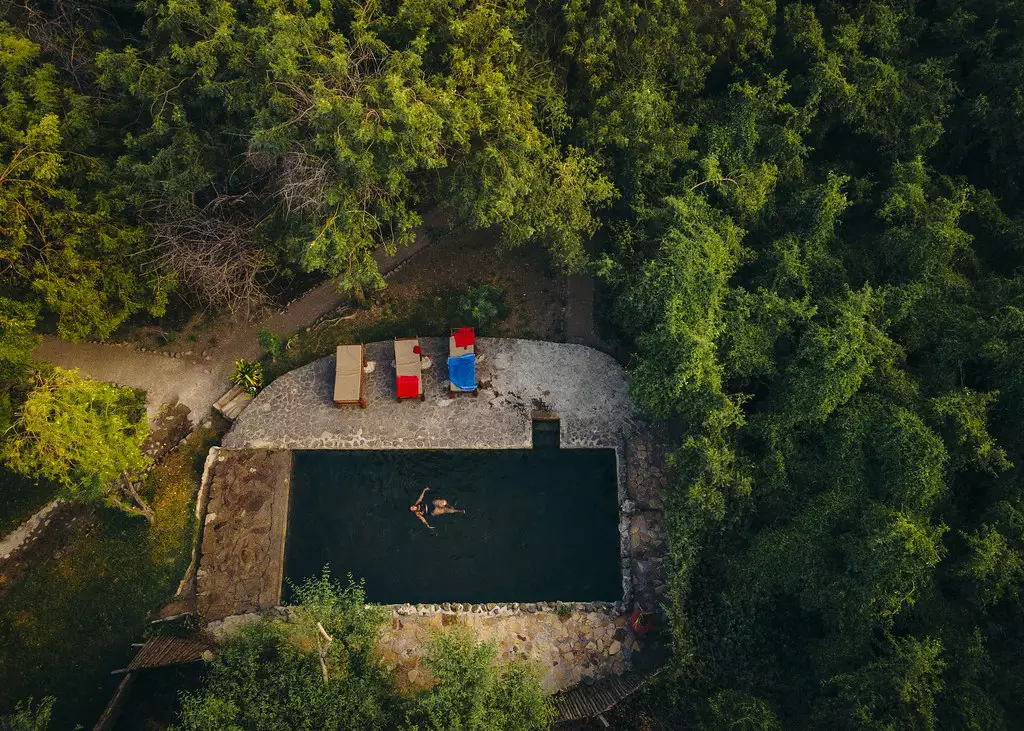
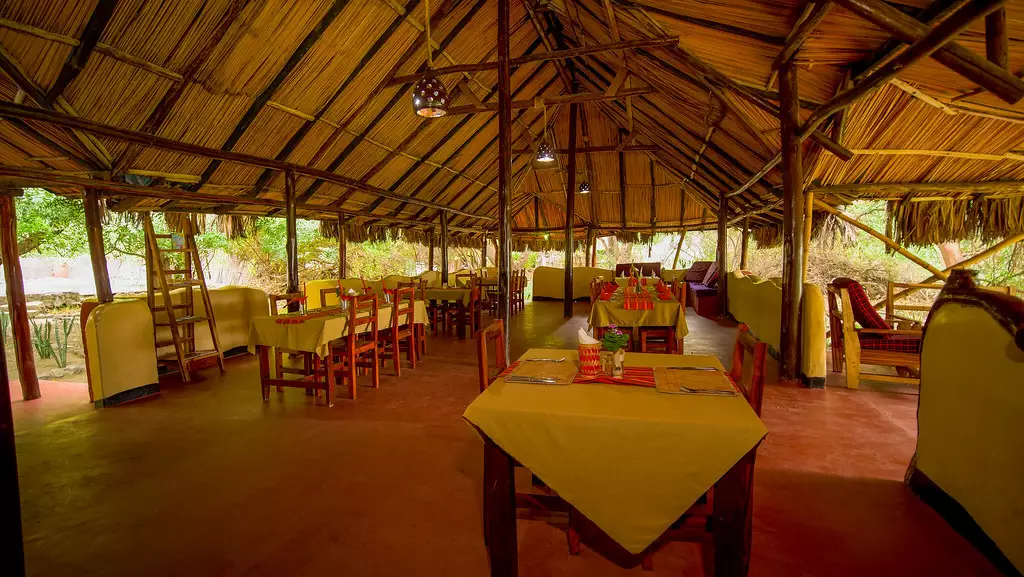
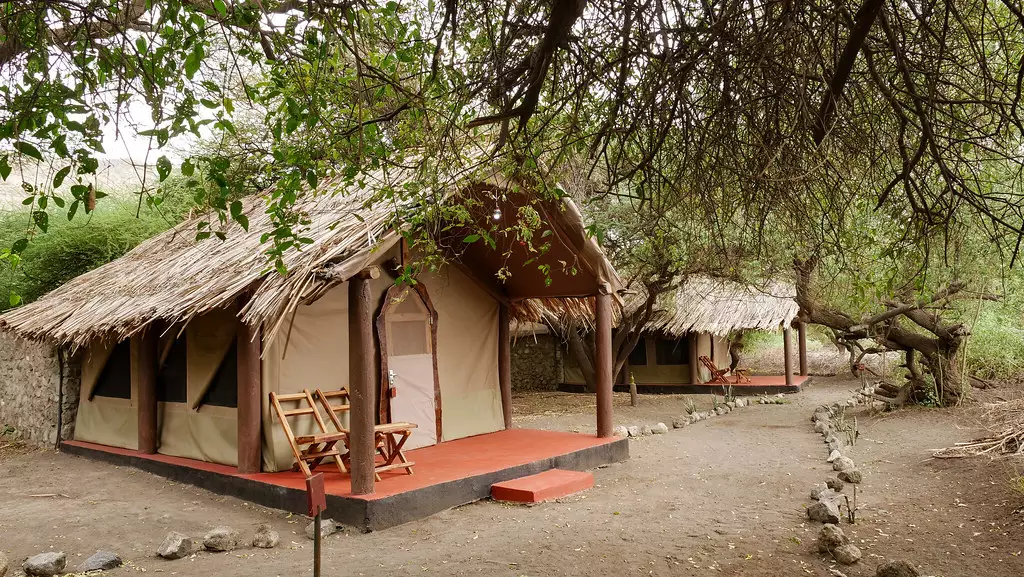
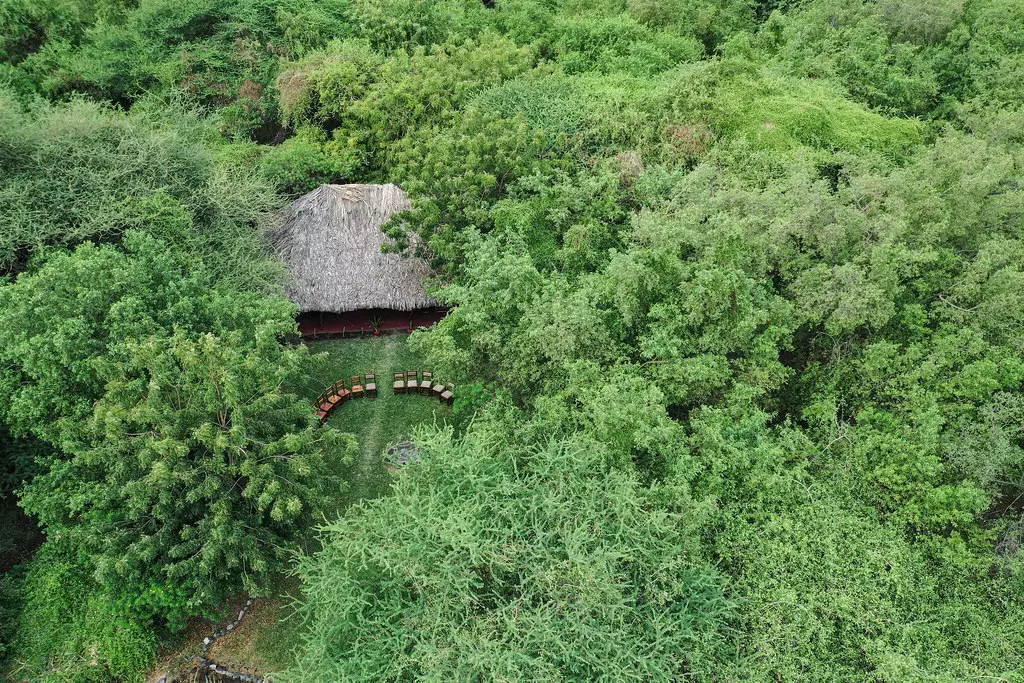
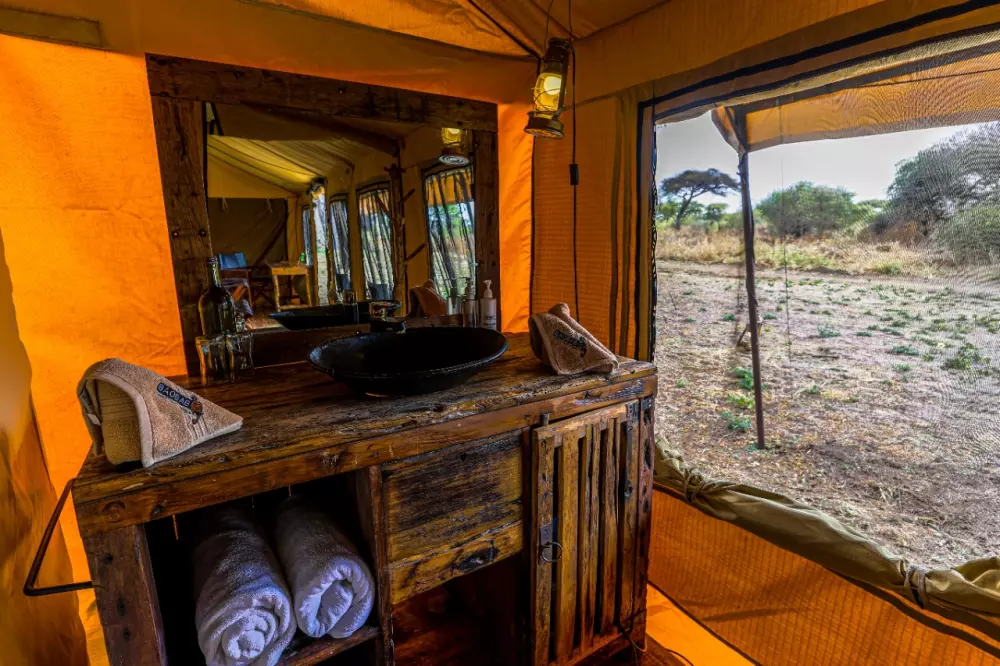
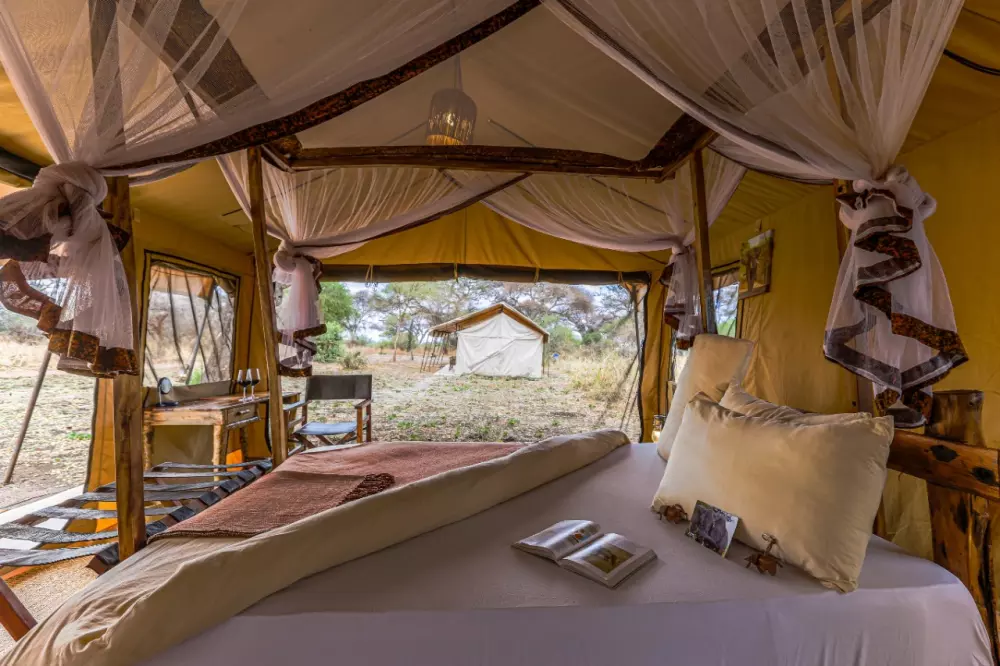
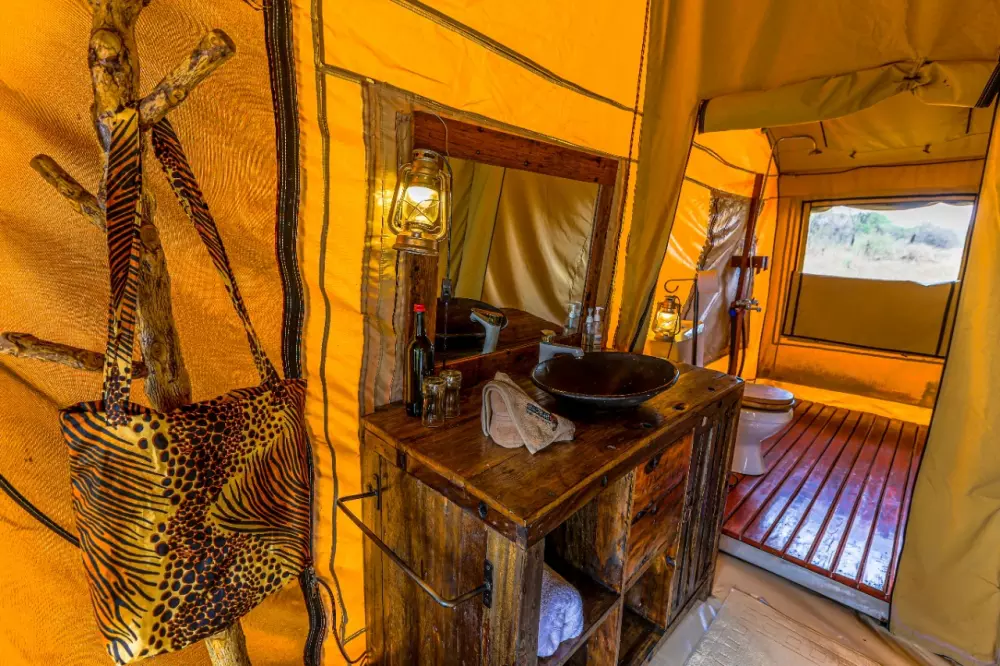
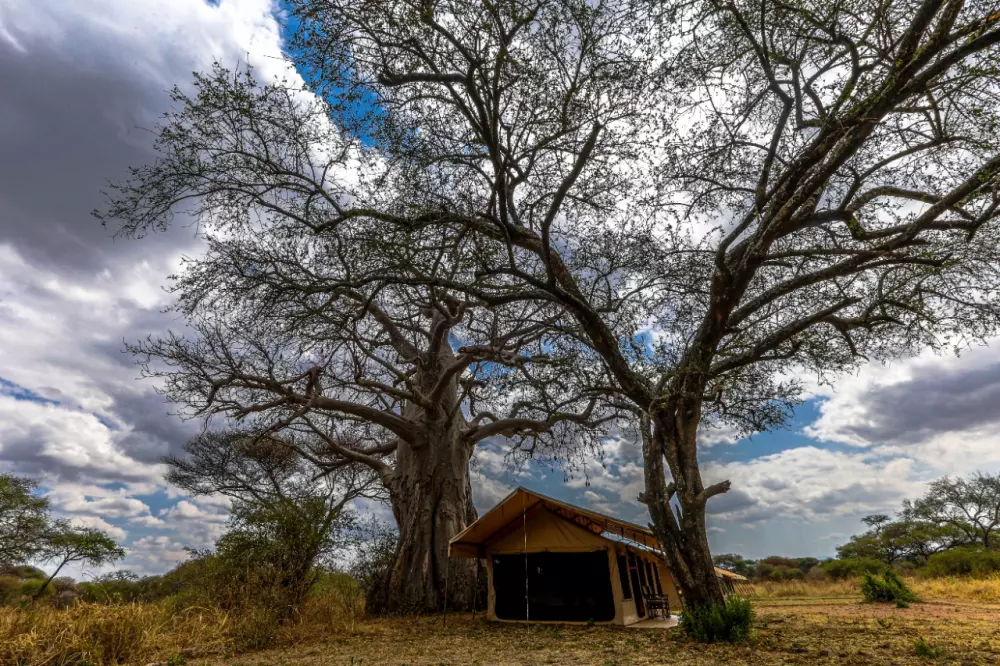
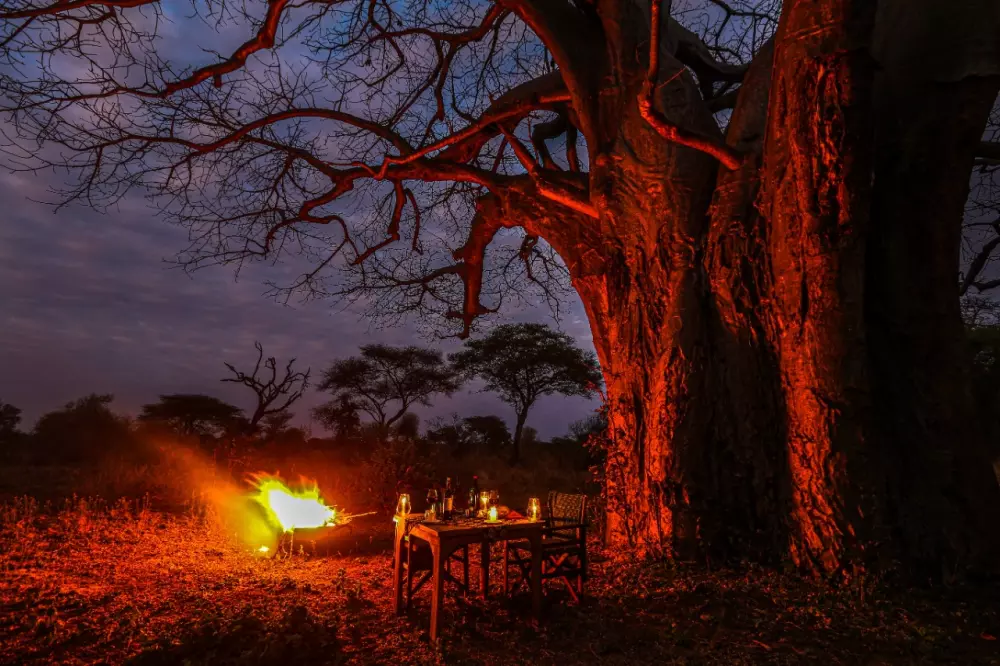
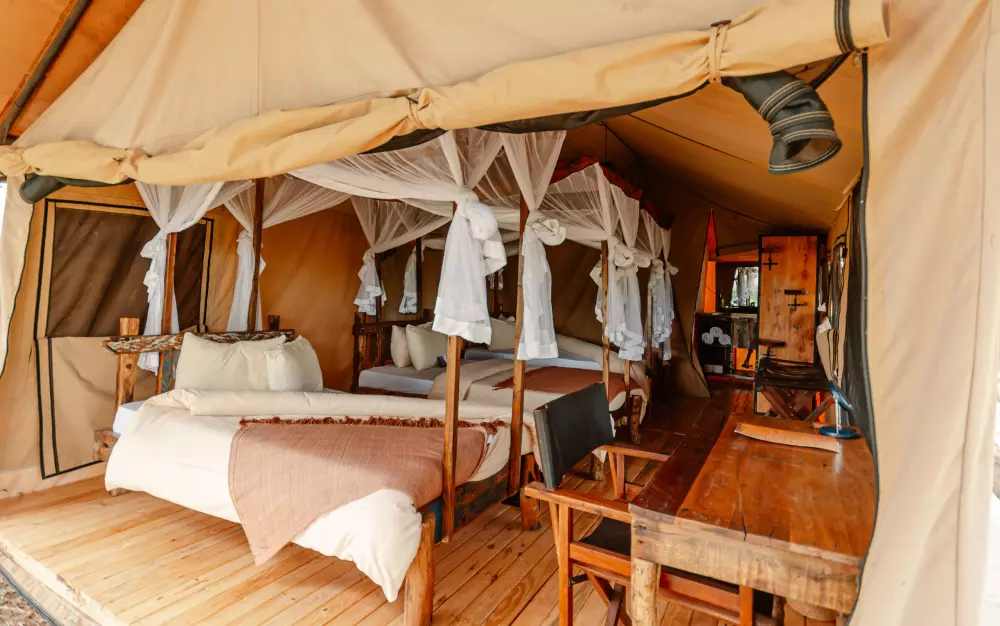
Overnight at the rustic Mawe's Baobab Tented Camp.
Day 3 / 27 July 2026: Walking Safari Option
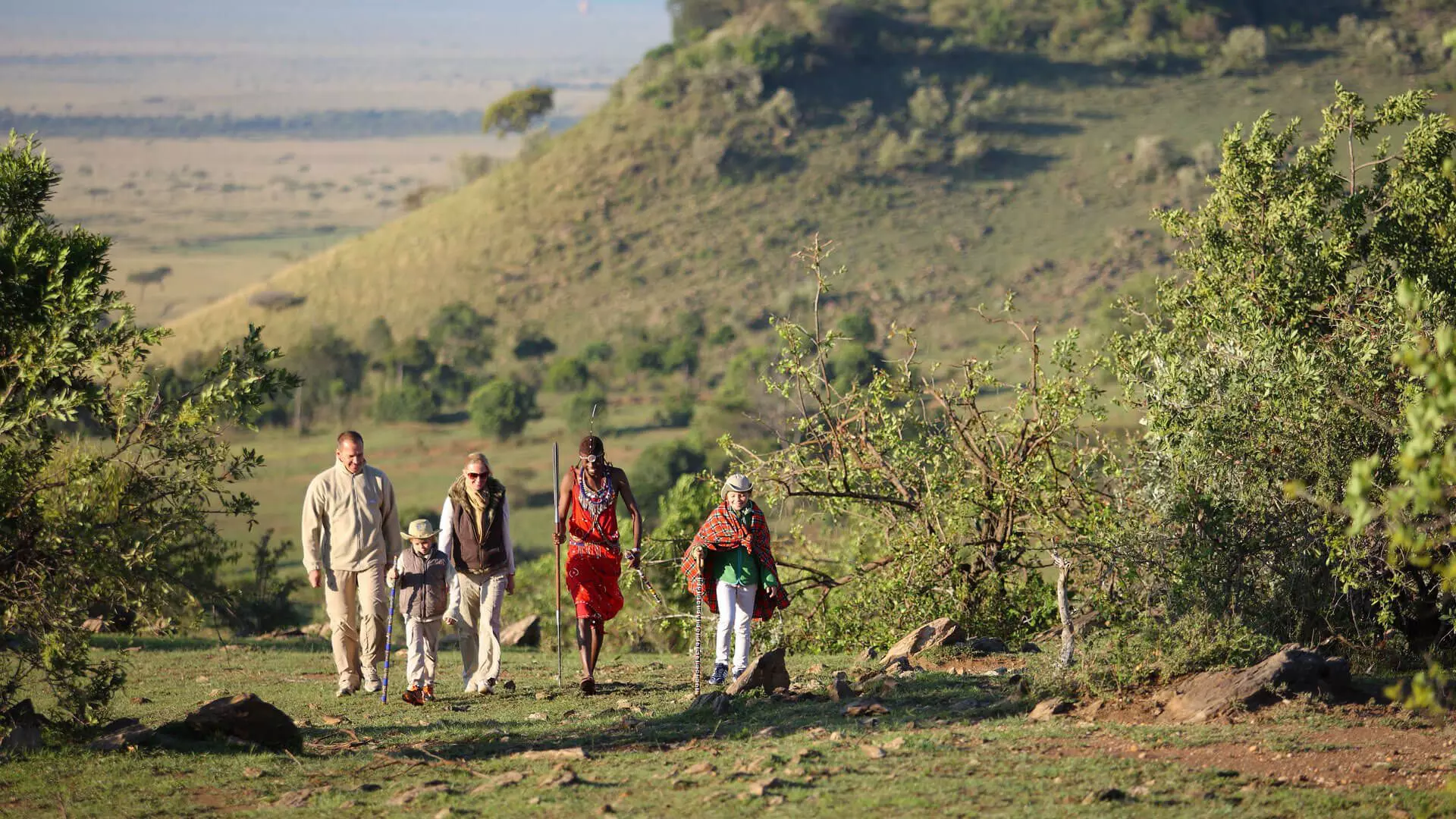
Experience Tarangire from the ground up. This morning, transfer to a designated area for a guided walking safari. With an armed ranger, you'll learn to read the wilderness through tracks, scat, and plant uses—feeling the texture of baobab bark and listening to the alarm calls of birds. This intimate, sensory experience reveals the smaller wonders of the ecosystem.
Return to camp for lunch, followed by a traditional afternoon game drive to cover more distance and seek out the big game. This combination offers the perfect balance of immersion and spectacle.
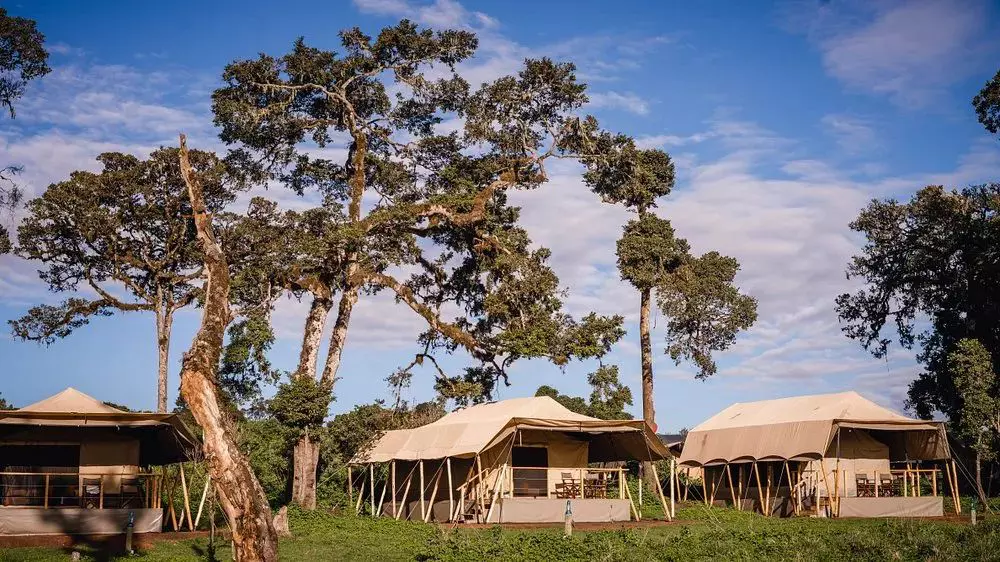
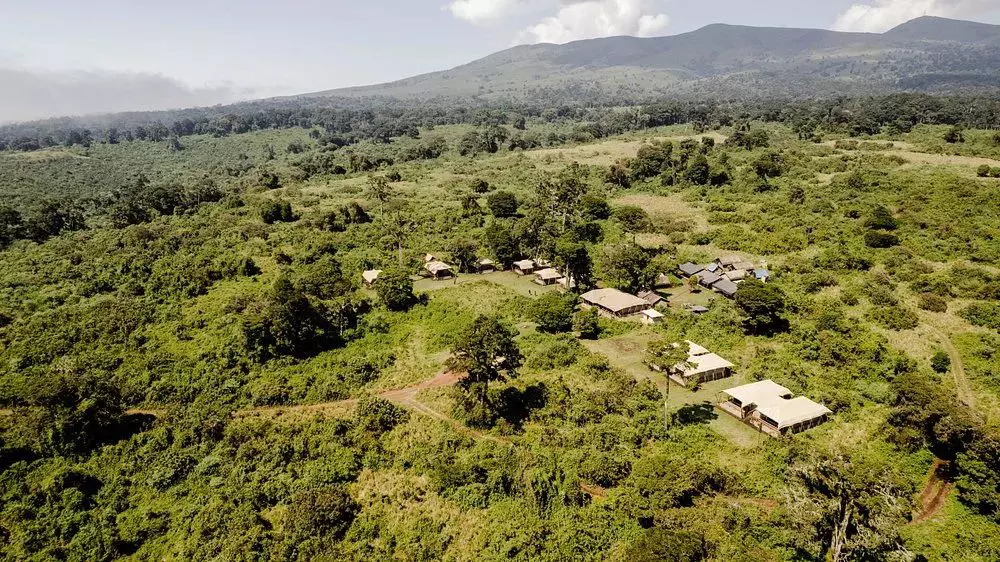
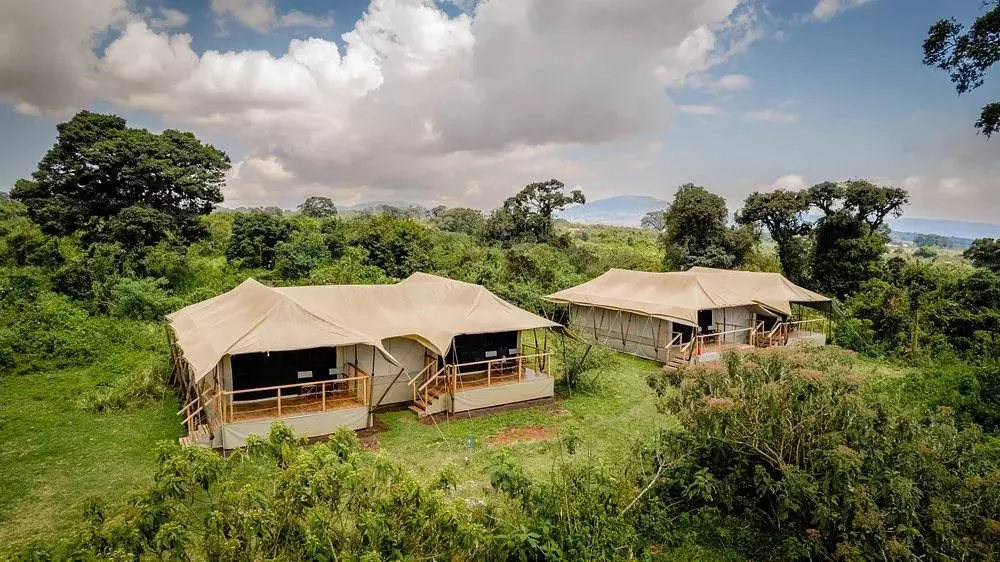
Overnight at Angata Ngorongoro Camp.

Day 4 / 28 July 2026: Ngorongoro Crater
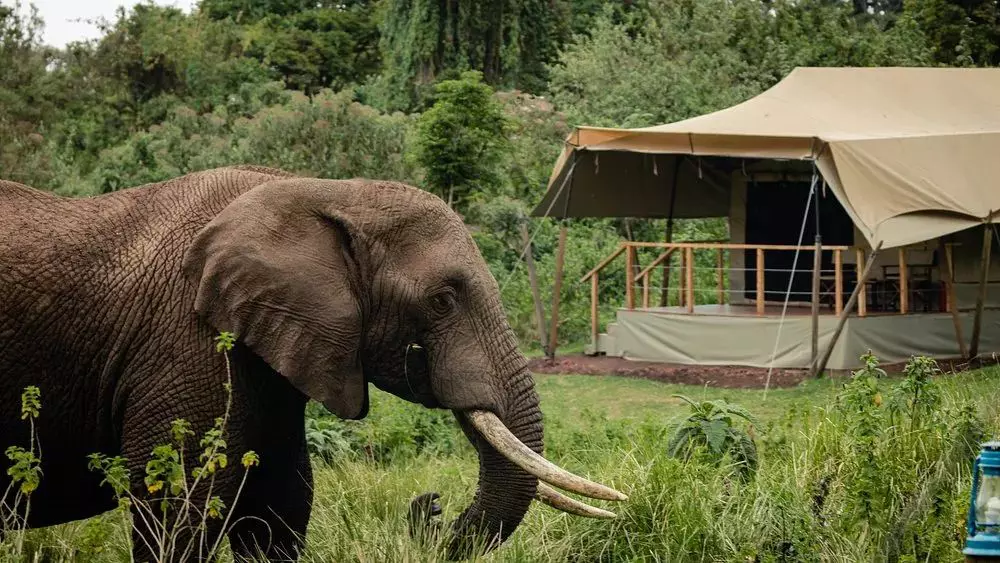
Depart early this morning for your descent into the Ngorongoro Crater, carrying a packed breakfast to enjoy during your game drive. The crater floor offers one of the most concentrated wildlife experiences in Africa, with excellent chances of seeing lion, elephant, buffalo, zebra, and, with luck, the elusive black rhinoceros.
The Ngorongoro Crater is often referred to as a natural amphitheatre, formed by the collapse of a volcanic caldera, and supports a remarkable diversity of wildlife within a relatively compact area.
In the mid-afternoon, ascend the crater and continue north.
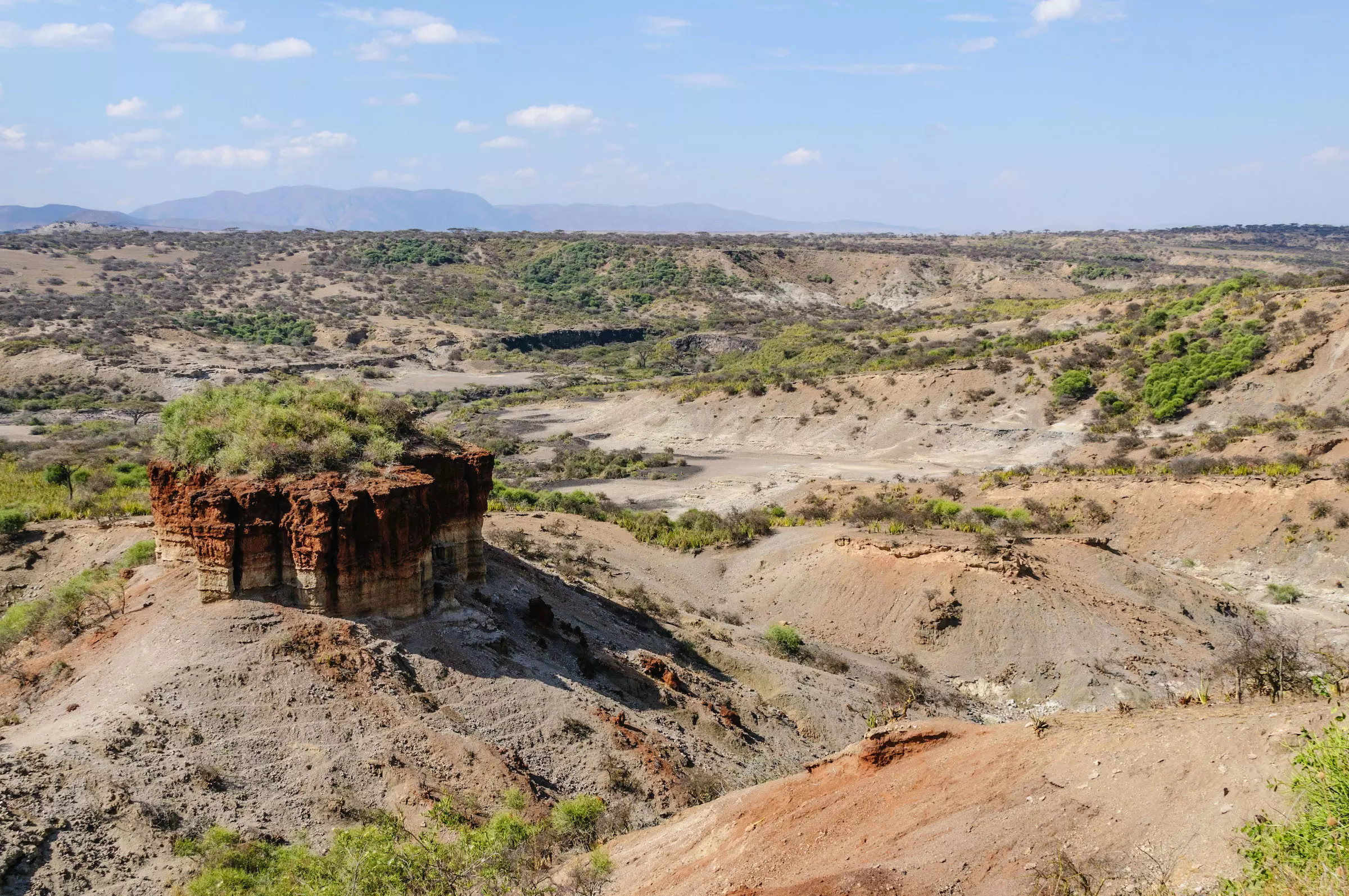
En route today, you will stop at Olduvai Gorge, a striking geological feature set within the Ngorongoro Conservation Area. The gorge is widely known for archaeological findings discovered there and is frequently discussed in studies relating to early human activity, though interpretations of its significance vary.
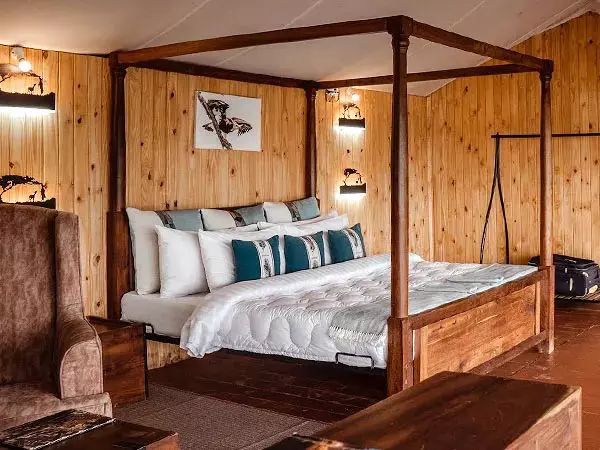
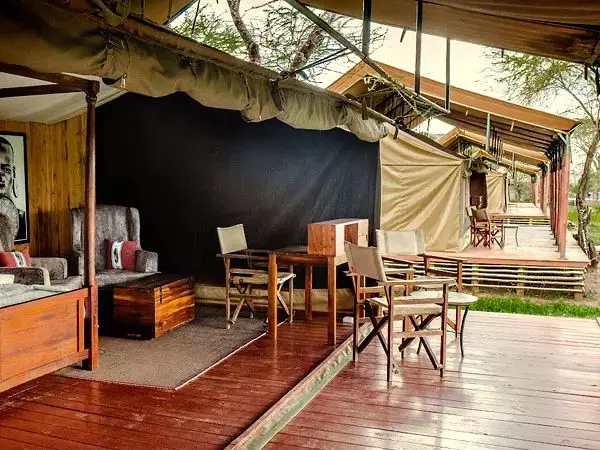
Continue to Angata Serengeti Camp for dinner and overnight.


Day 5 / 29 July 2026: Serengeti National Park (Seronera Region)
After breakfast, depart for game drives in the Seronera region of the Serengeti. This area is famed for its year-round wildlife concentrations and is one of the best locations in East Africa for observing large predators in their natural environment.
During your game drives, you may encounter prides of lion, solitary leopards resting in acacia trees, and cheetahs scanning the plains, alongside large herds of herbivores.
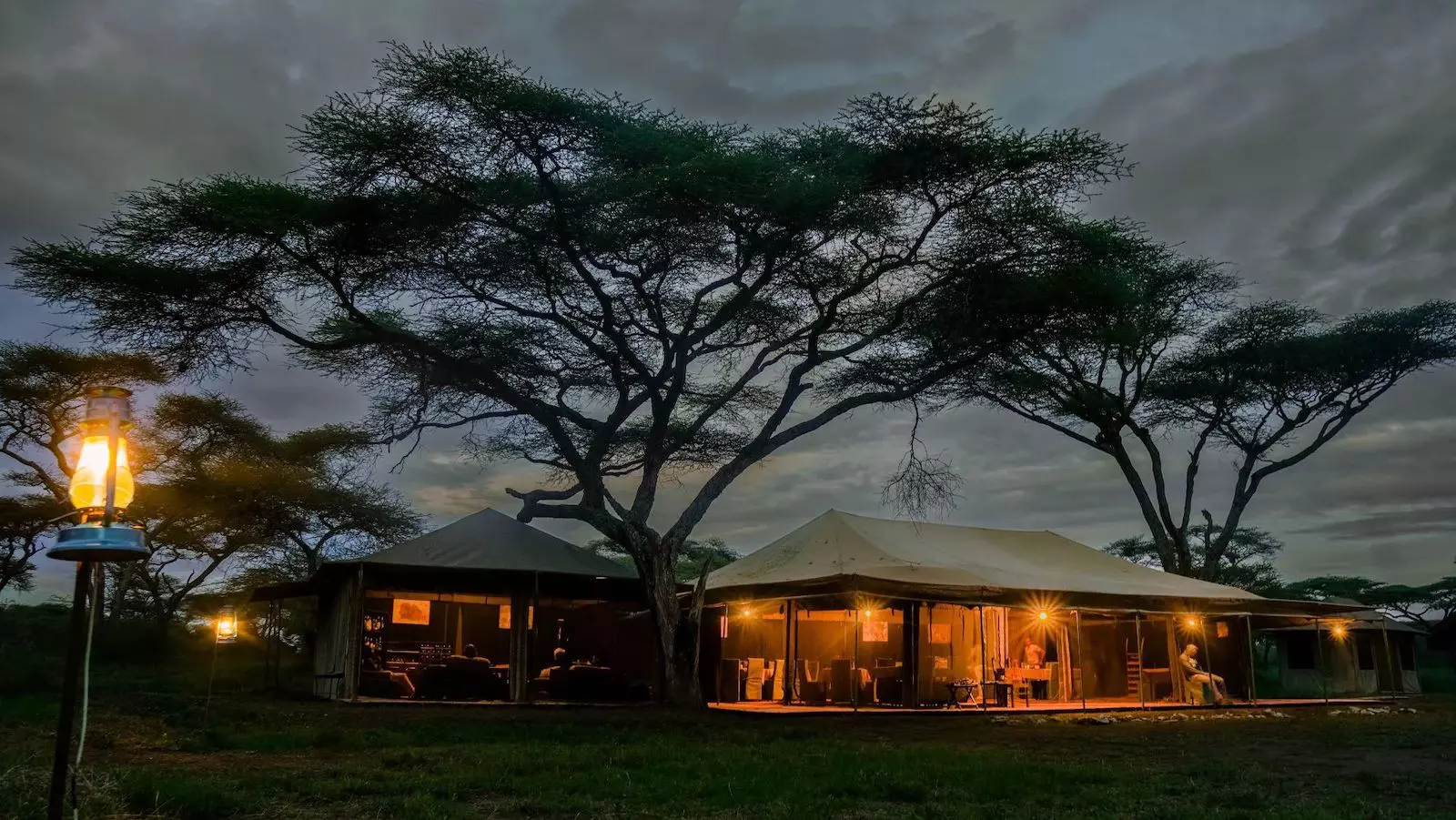
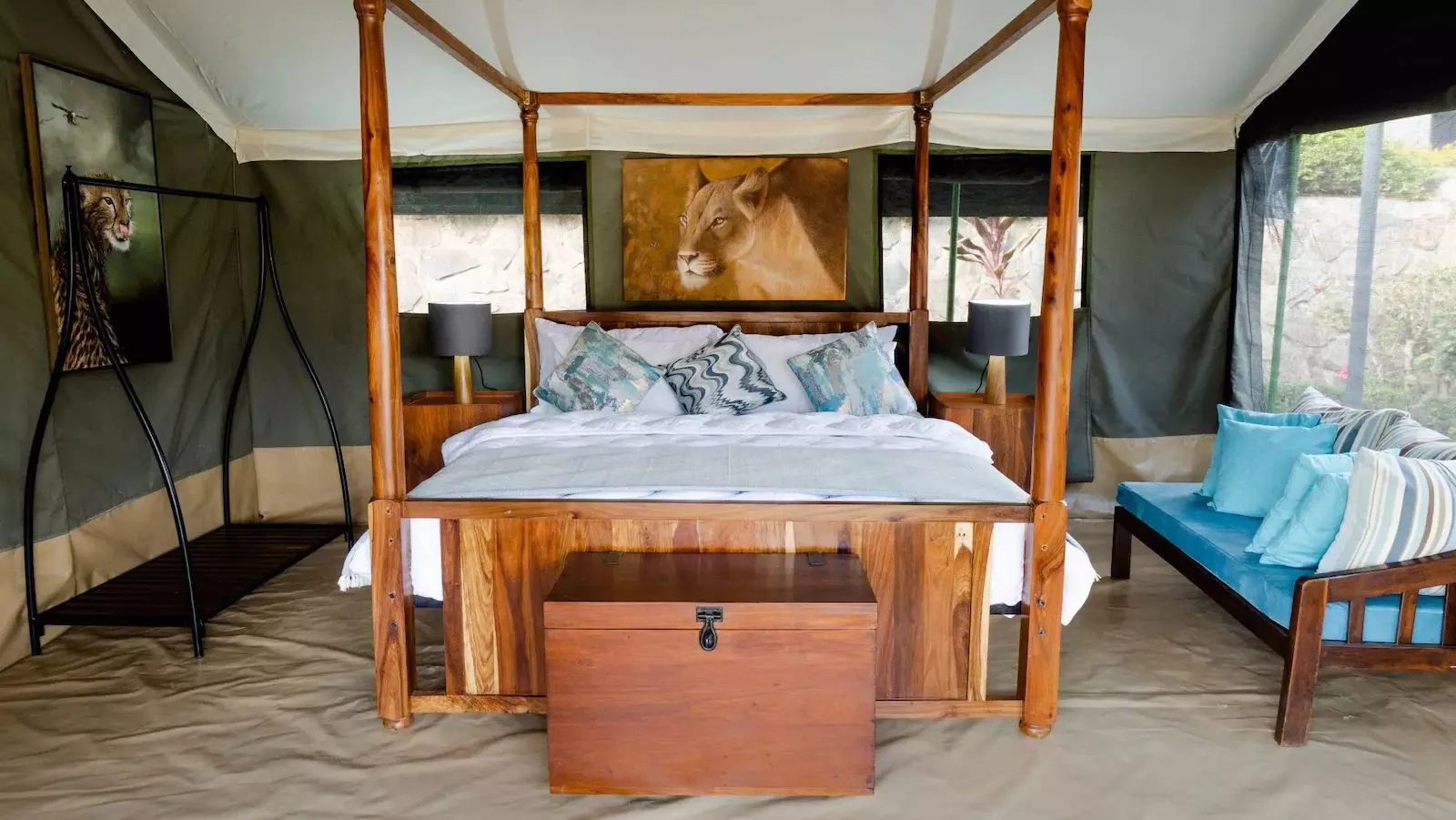
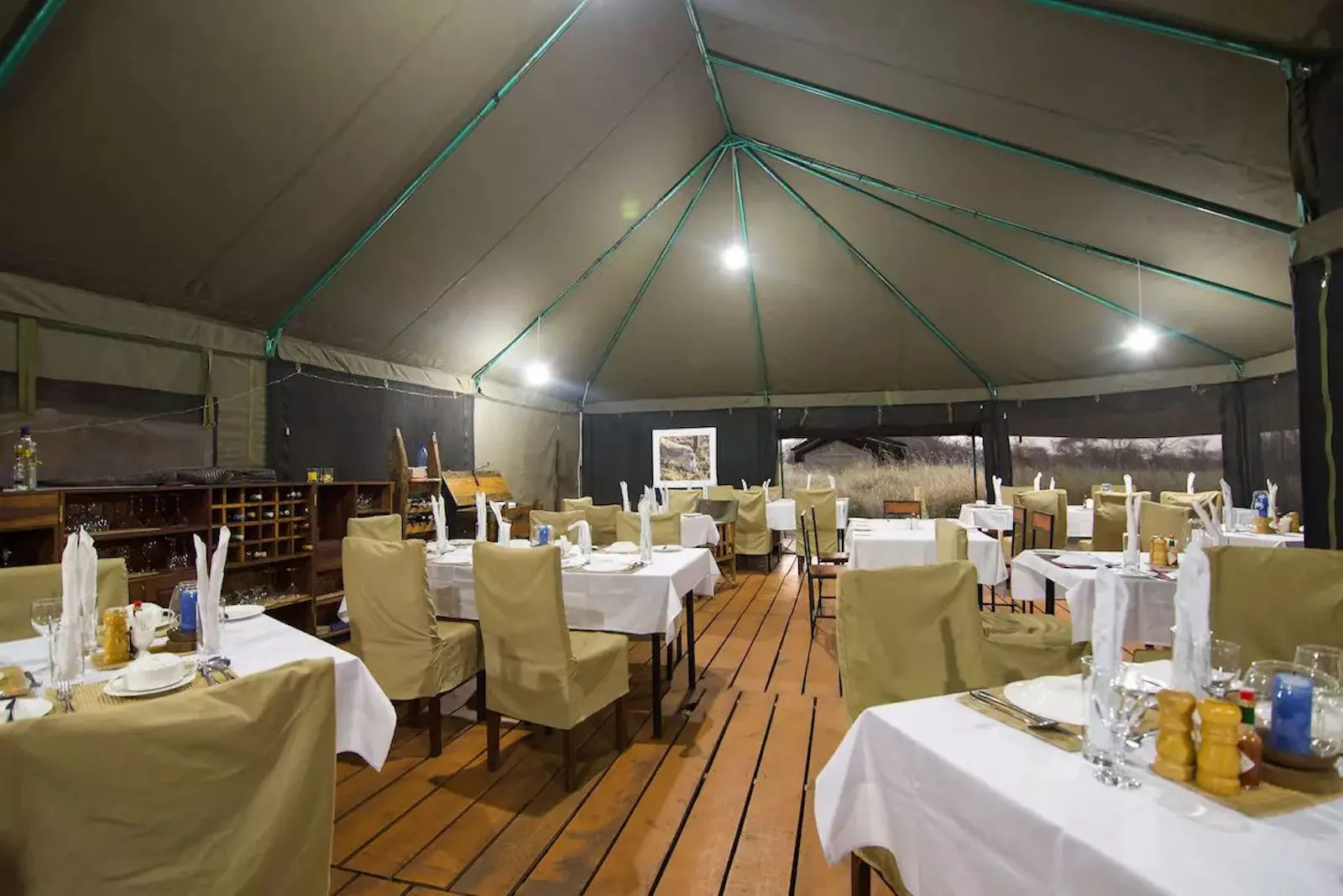
In the late afternoon, continue to Angata Mara Migration Camp for your overnight stay.
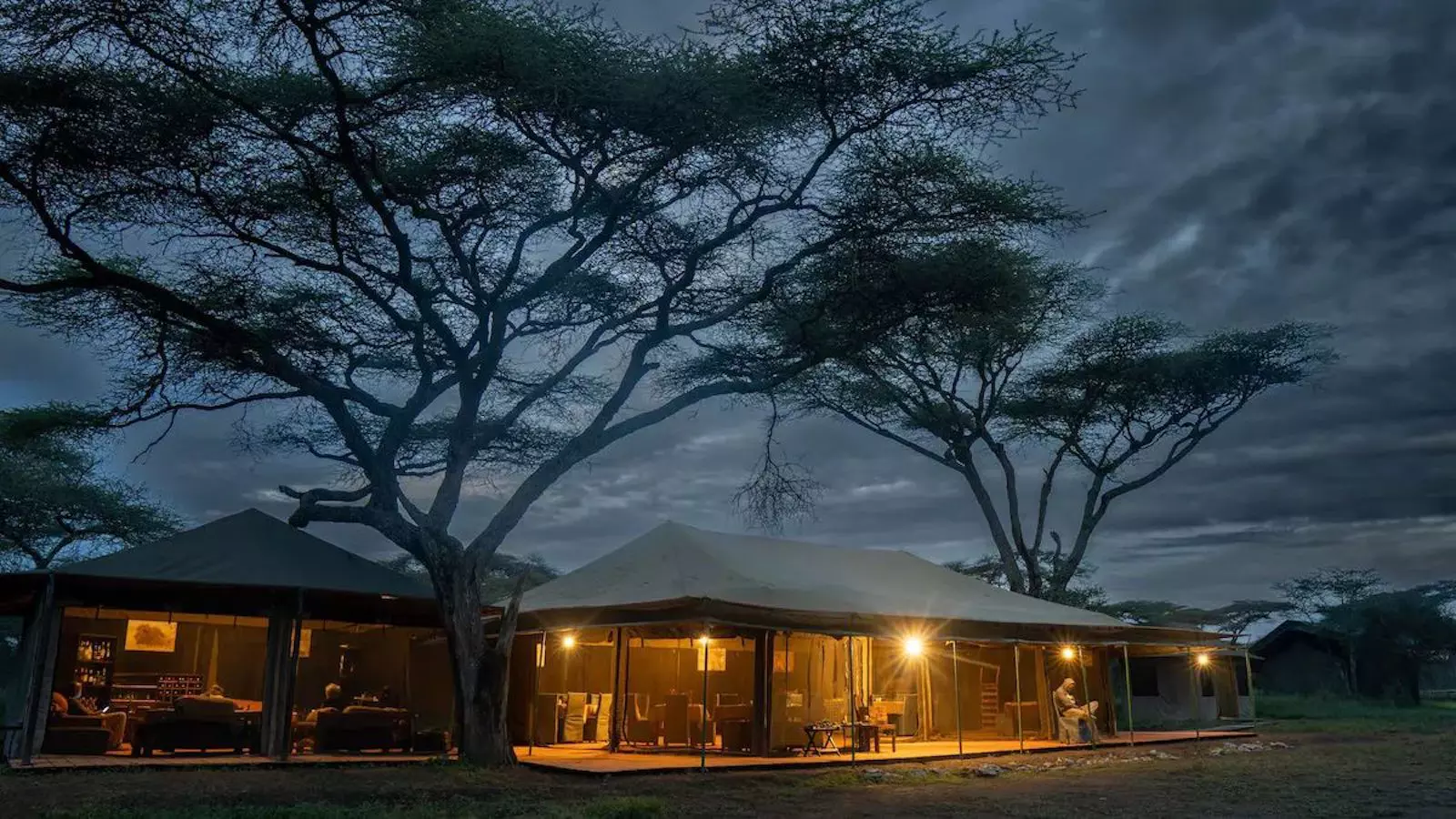
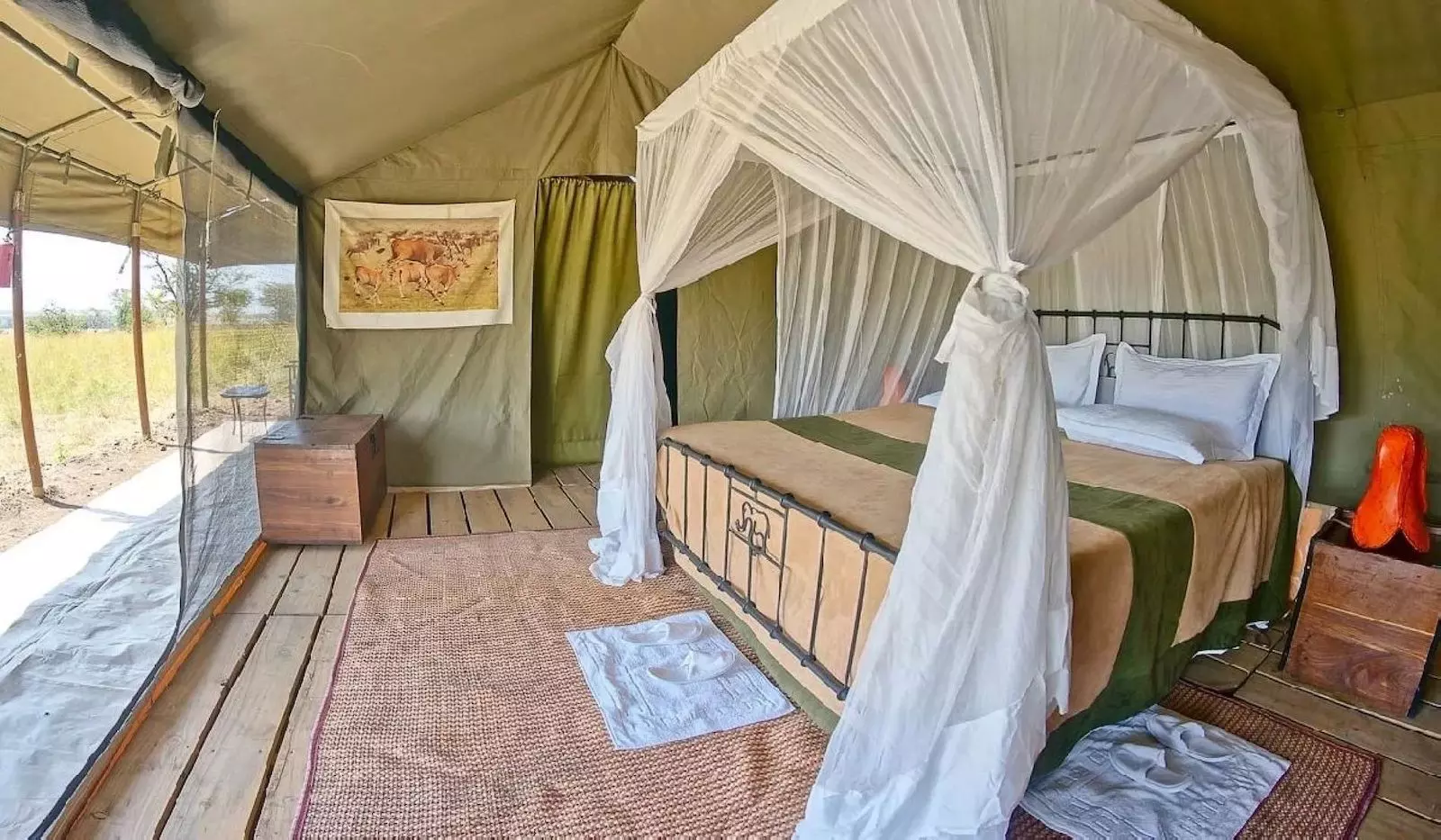
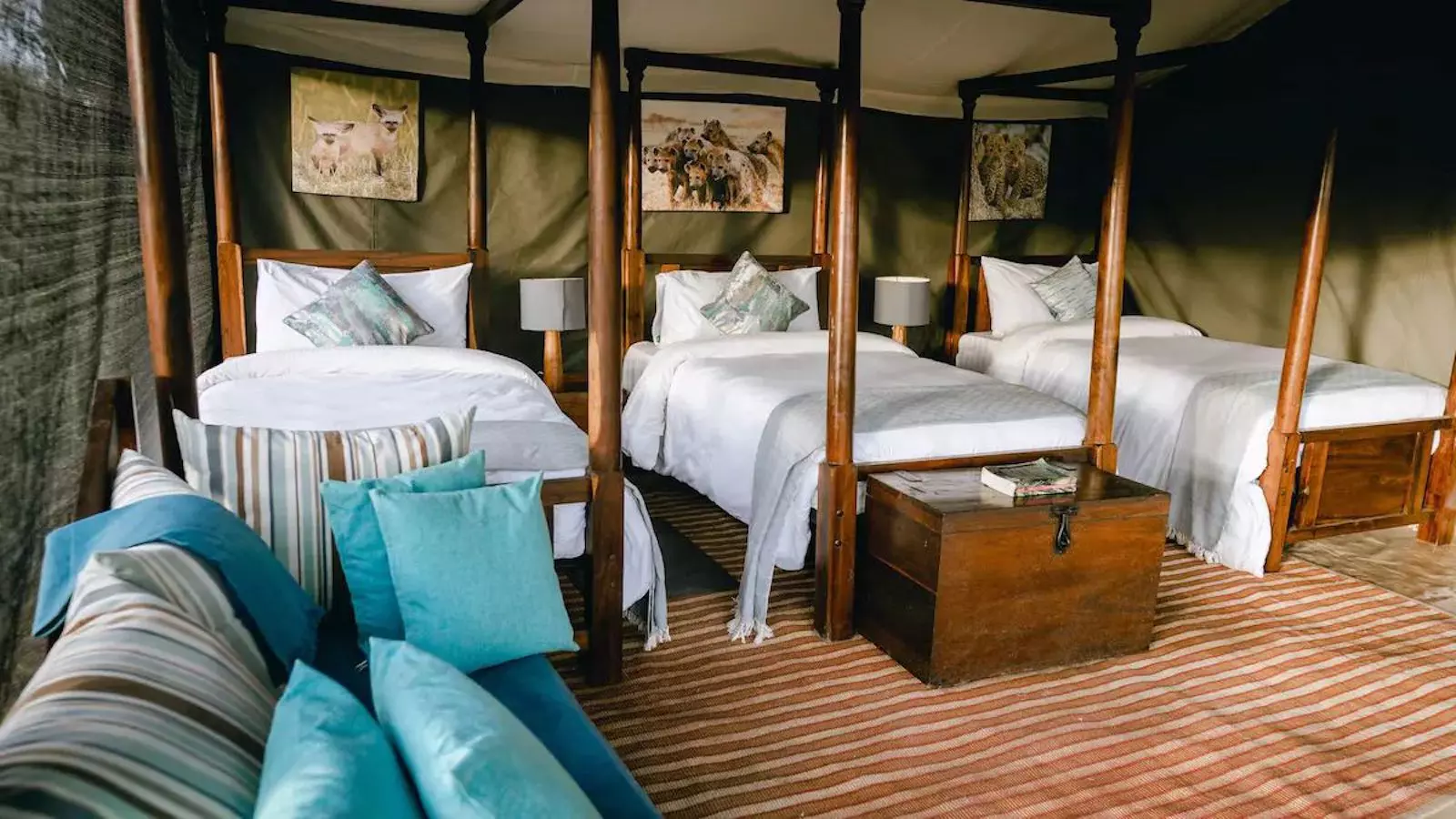
Day 6 / 30 July 2026: Aerial Adventure over the Migration
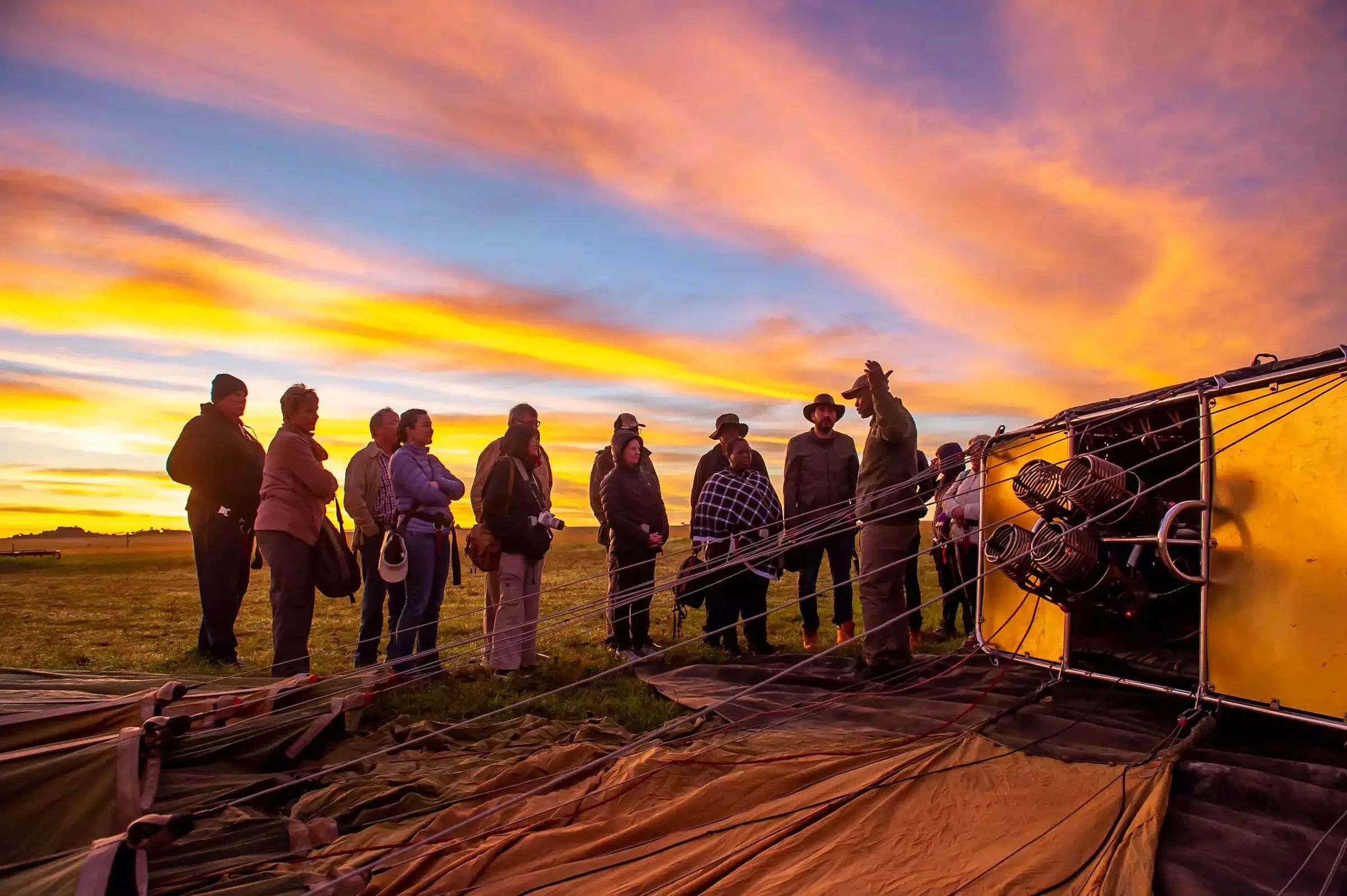
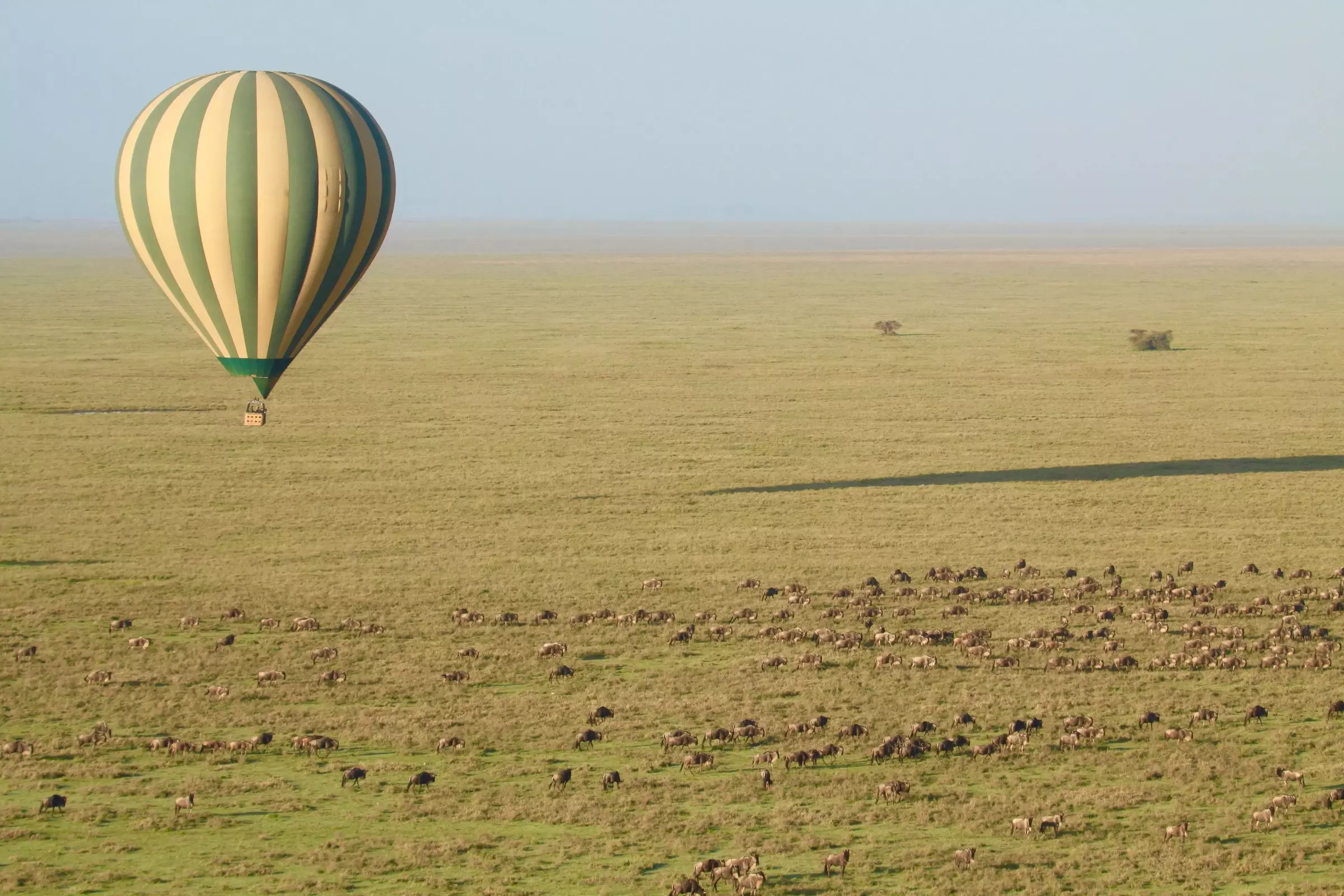
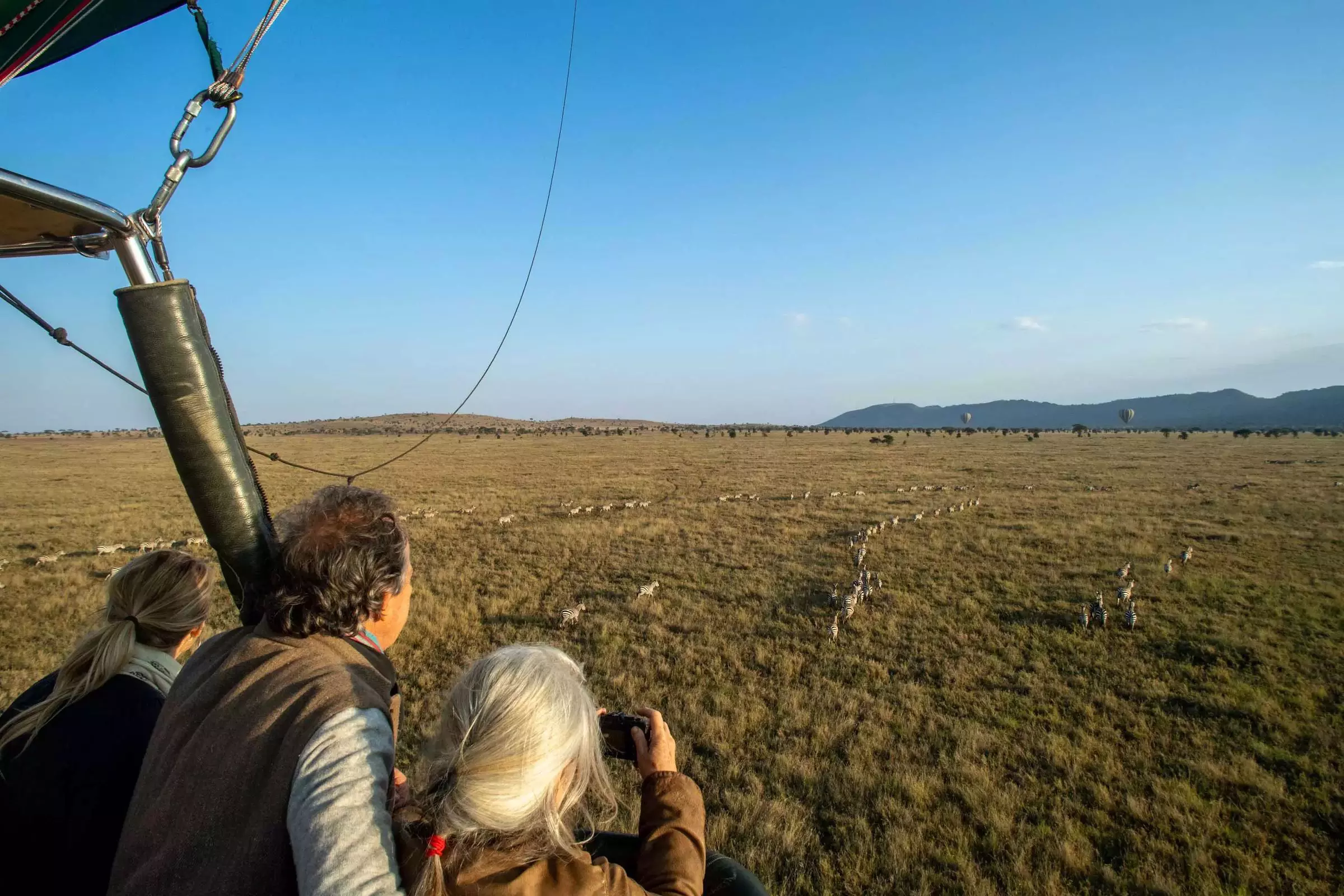
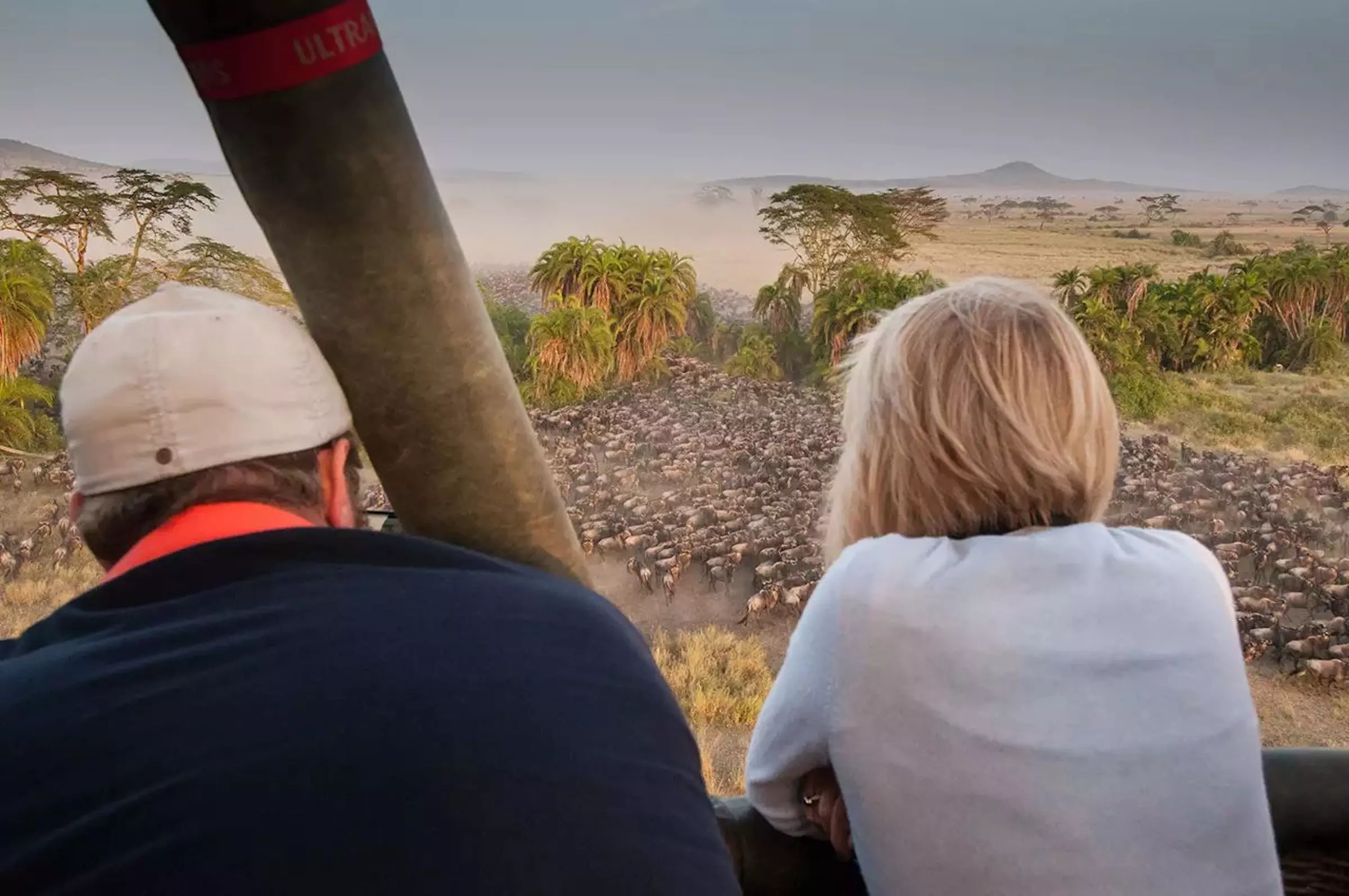
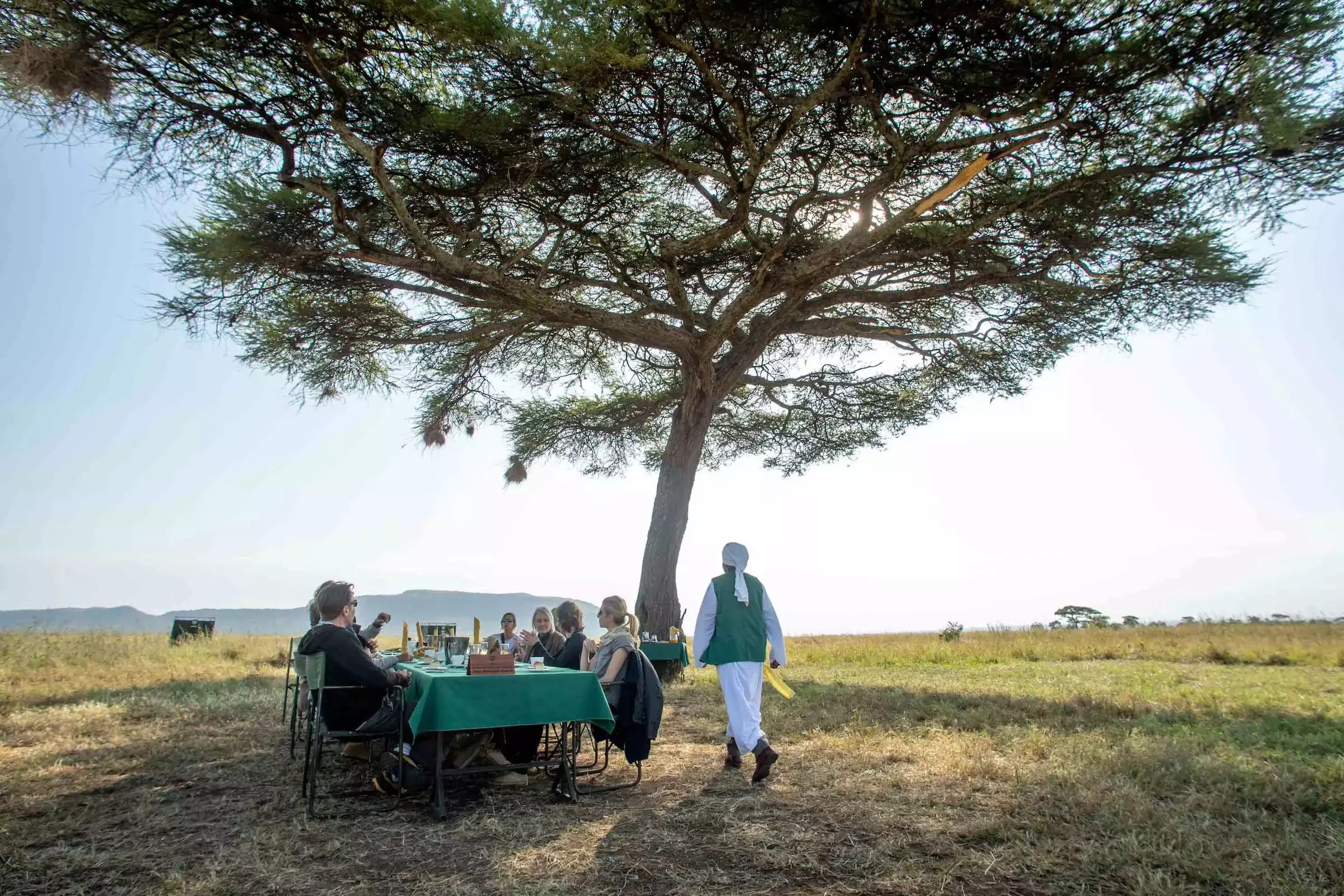
Long before dawn, you'll be collected for a truly iconic experience: a hot air balloon safari. As the first light touches the sky, you'll ascend in silence. From this breathtaking vantage point, the scale of the Serengeti and the meandering Mara River unfolds beneath you. Herds of wildebeest appear as dark rivers on the plains, and you might even spot a crossing from a god's-eye view. After landing, toast with champagne and enjoy a full cooked breakfast in the bush—a moment of pure safari magic. Refreshed, you'll spend the remainder of the day on traditional game drives, now ground-level, pursuing the sights you saw from above, with heightened anticipation for the river's drama.
Return to in the evening.

Day 7 / 31 July 2026: Departure from the Wild
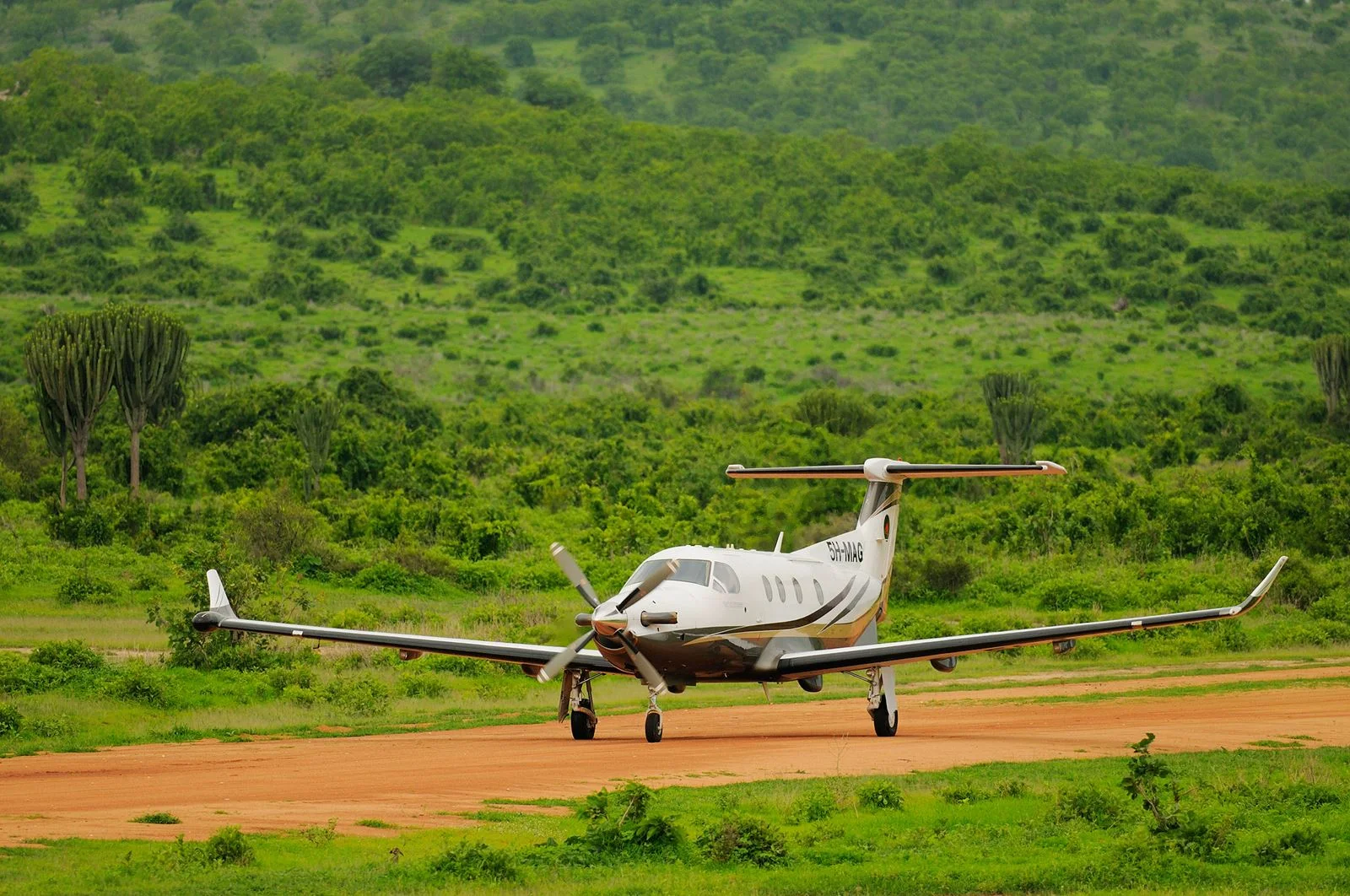
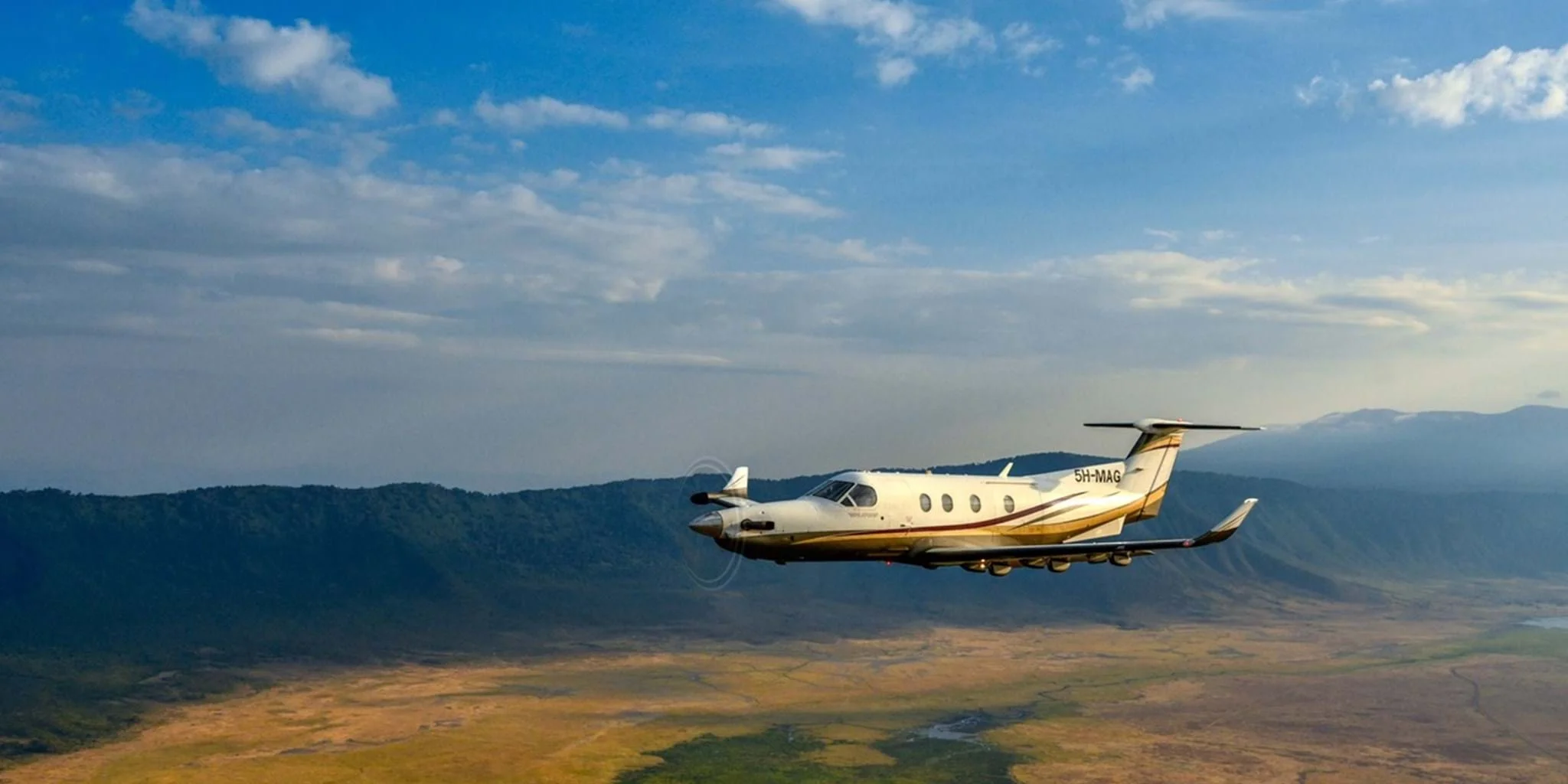
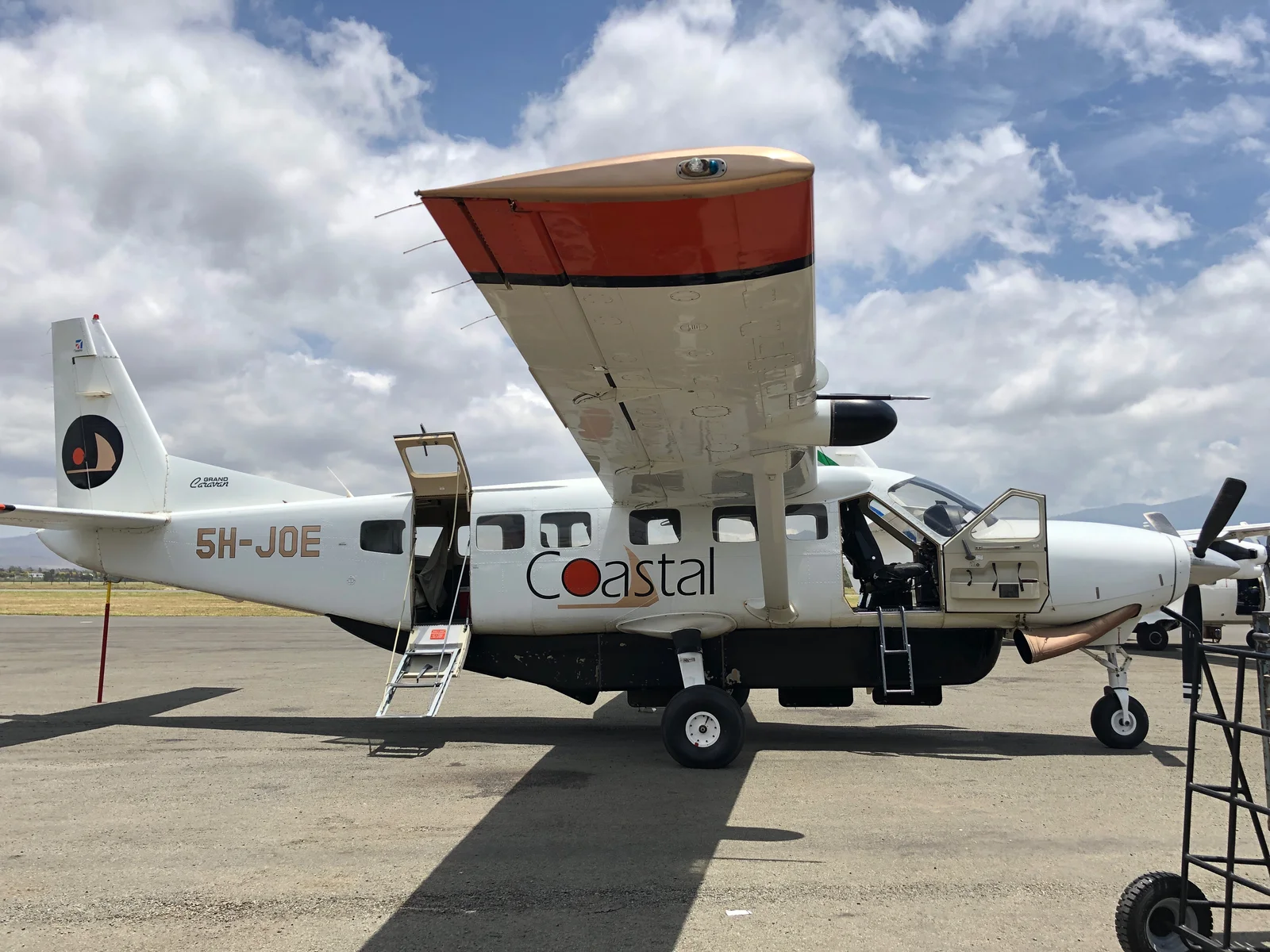
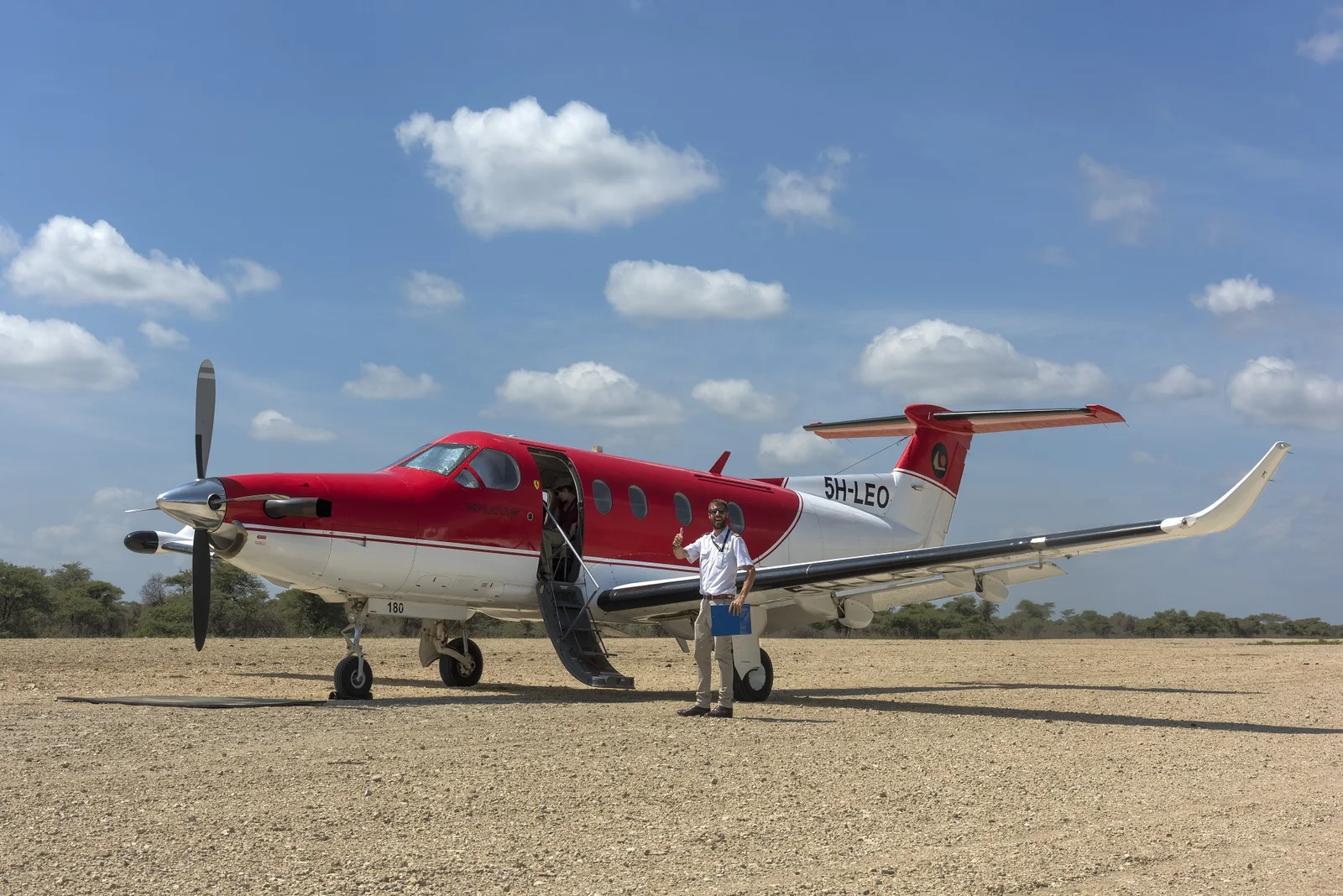
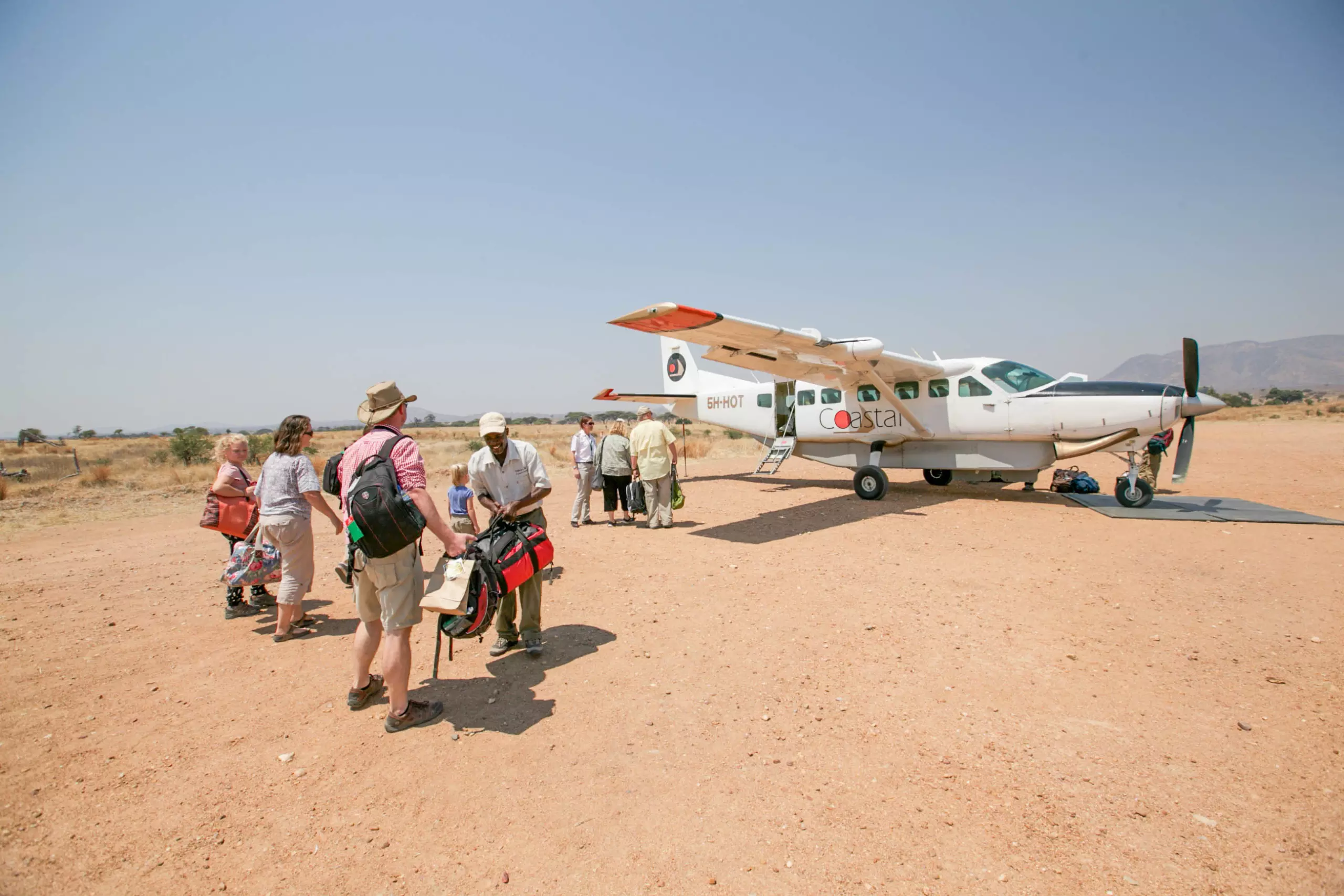
Embrace the bittersweet last moments of your safari. Your morning game drive is flexible—perhaps a return to a promising river bluff, or a search for a resident leopard in the nearby kopjes. By late morning, you return to pack and enjoy a final lunch overlooking the plains. The transfer to Kogatende Airstrip is your final land-based game drive. Then, the experience shifts perspective as you board your scheduled flight. Soaring above the Serengeti, you'll gain a unique appreciation for the endless plains and winding rivers you've traversed, a fitting epilogue to your adventure. You'll land in Kilimanjaro International Airport in the late afternoon, where our services conclude.
Safari Route Map
This map is not a comprehensive description of movements and shows only a selection of approximate landmarks along the safari's intended route.
Safari Prices Per Person in US Dollars
Prices are on the basis of 2025 accommodation rates.
| No. in group 👉 | Solo | 2 🧍 | 3 🧍 | 4 🧍 | 5 🧍 | 6 🧍 | 7+ 🧍 |
|---|---|---|---|---|---|---|---|
| Safari - excl. balloon and flight | $6,002 | $4,747 | $4,117 | $4,057 | $3,992 | $3,932 | $3,872 |
| Waterfall walk & swim at Natron | $20 | $20 | $20 | $20 | $20 | $20 | $20 |
| Hot Air Balloon Safari | $480 | $480 | $480 | $480 | $480 | $480 | $480 |
| Flight, Kogatende to Arusha | $453 | $453 | $453 | $453 | $453 | $453 | $453 |
| Discount per child (under 16) | $578 | $578 | $578 | $578 | $578 | $578 | $578 |
Mobiles: scroll right for larger groups 👉
This safari itinerary is recommended for the discerning traveller visiting from July to October - as this is when the migration is expected to be in the Mara Region - and who wants to minimise wasted transiting time in the vehicle.
This safari itinerary is recommended for the discerning traveller visiting from July to October - as this is when the migration is expected to be in the Mara Region - and who wants to minimise wasted transiting time in the vehicle.
This safari itinerary is recommended from November to April when we expect the migration to be in the south.
This safari itinerary is recommended for the discerning traveller visiting from July to October - as this is when the migration is expected to be in the Mara Region - and who wants to minimise wasted transiting time in the vehicle.
This safari itinerary is recommended for the discerning traveller visiting from July to October - as this is when the migration is expected to be in the Mara Region.
This safari itinerary is ideal for June, as we anticipate the Migration to be in the Grumeti Corridor, located in the western region of Serengeti.
This safari itinerary is recommended for the discerning traveller visiting from July to October - as this is when the migration is expected to be in the Mara Region - and who wants to minimise wasted transiting time in the vehicle.
This safari itinerary is recommended for the discerning traveller visiting from July to October - as this is when the migration is expected to be in the Mara Region - and who wants to minimise wasted transiting time in the vehicle.